
Before the song, a quiet figure passed through Stuart.
In 1944, in the middle of a wartime Florida that was rapidly transforming, a quiet figure passed through Stuart, playing piano in a hotel lounge, picking fruit in nearby groves, and moving through a landscape that already carried the name he would later make famous.
He would eventually call himself eden ahbez, a name he intentionally styled in lowercase, though he might just as easily be thought of as a kind of “nature boy” moving through the edges of American life, a hippie before his time.
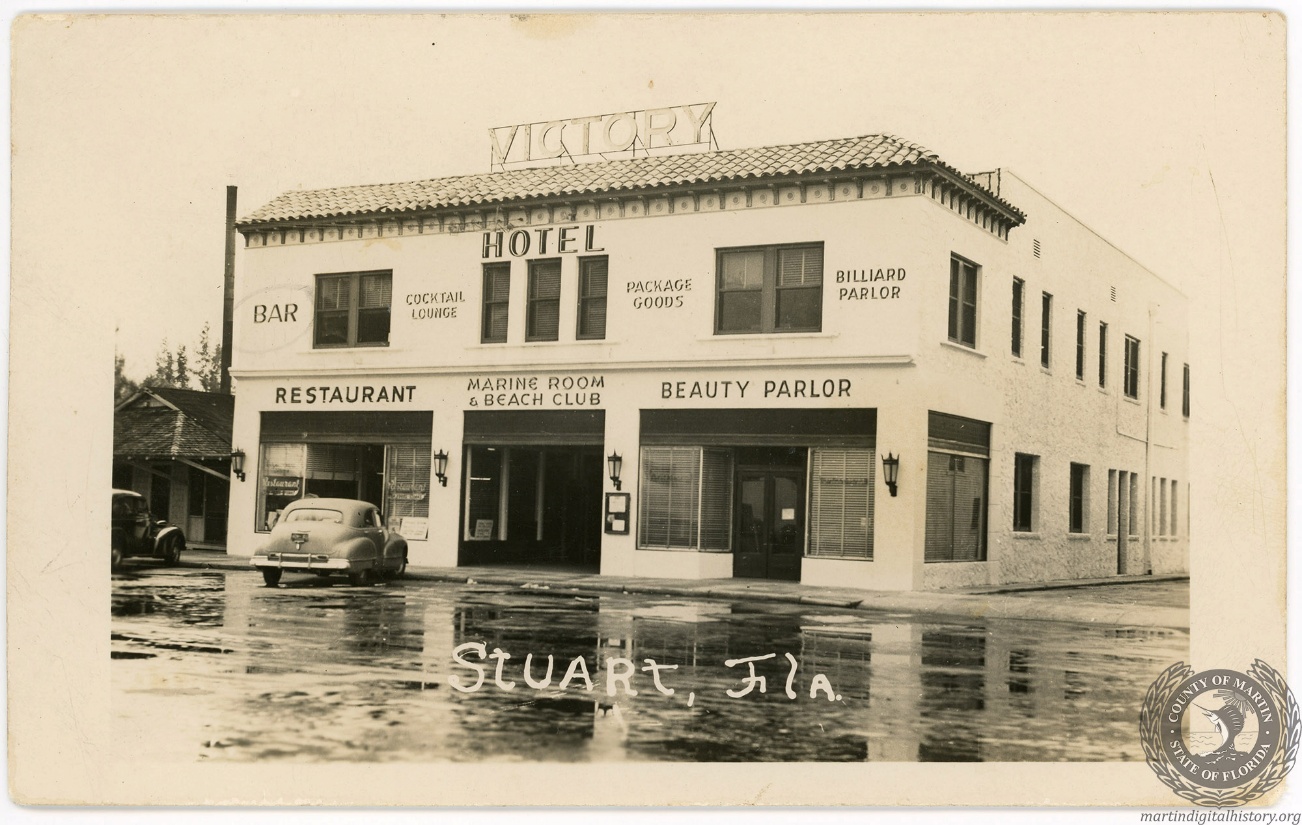
Figure 2 Victory Hotel, ca 1945
By the early 1940s, Martin County was no longer an isolated agricultural outpost. War had arrived in full force. Just south of Stuart, thousands of soldiers trained at Camp Murphy, bringing new energy and constant movement into the region and Downtown Stuart responded in kind. The Victory Hotel on Flagler Avenue became one of the social centers of that moment, its Marine Room offering music, food, and a place for soldiers and civilians to gather. Fig2
At the same time, the land still defined daily life. Citrus groves and seasonal labor shaped the economy. People came and went with the harvest and movement through the region was constant and informal. As described in Miley’s memos, the so-called “Hobo Express” moved people quietly along the rail lines, carrying workers, drifters, and itinerant laborers through communities like Stuart. It is within this network that eden ahbez begins to make sense. Fig3
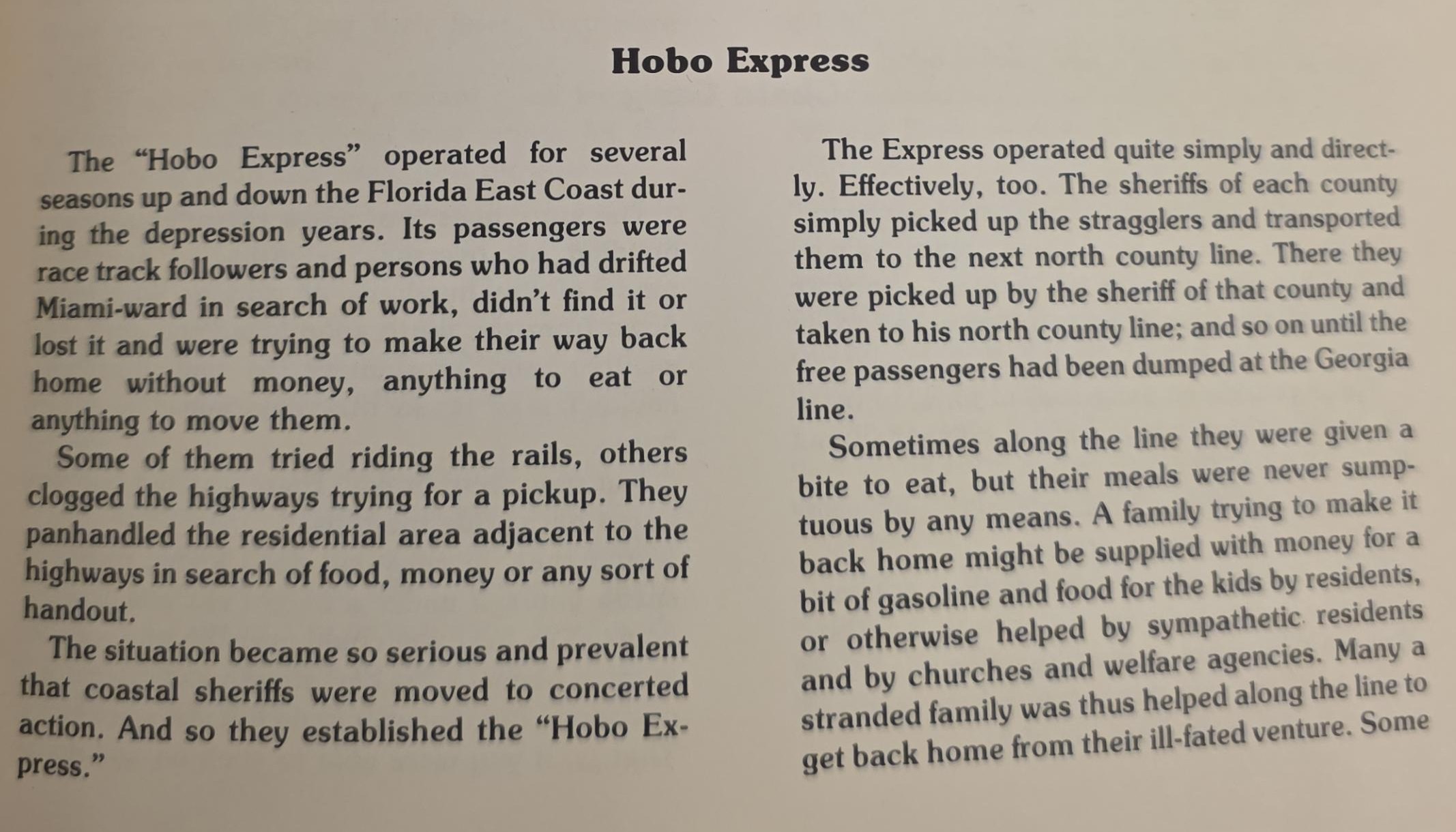
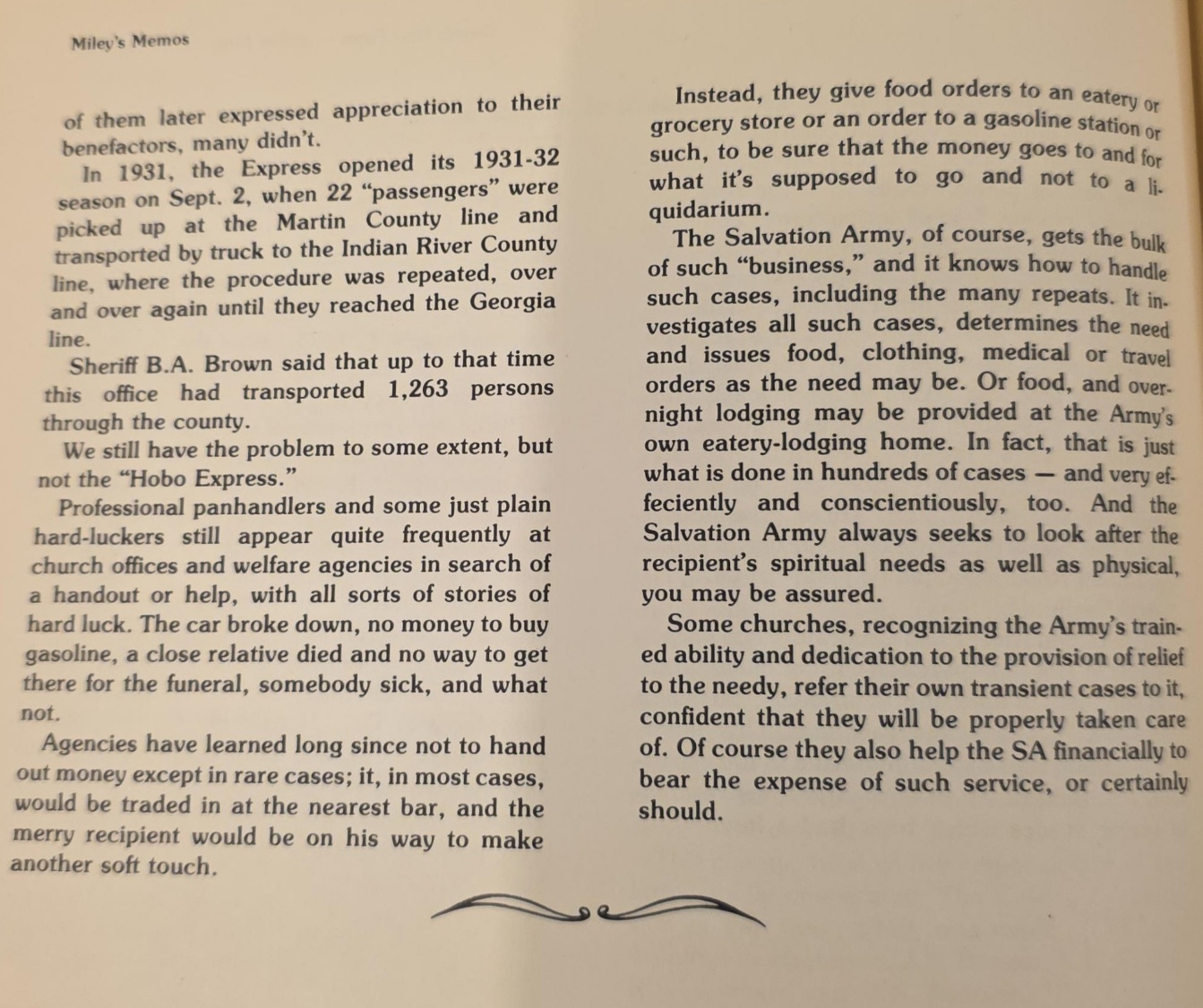
Figure 3 Excerpt from Mileys Memos Stuart, FL Indian River Community College Historical Data Center, 1980 Library of Congress Catalog Card No. 80-82
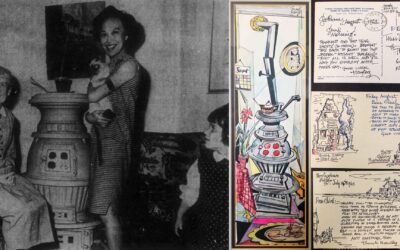
A remarkable window into this world survives through the wartime letters of Ralph Hartman, Stuart’s postman and a central figure in the daily exchange of news downtown. Available online through the Martin Digital History Library, his letters capture daily life with humor and detail. His letters remain one of the most valuable firsthand records of wartime Stuart. Written in duplicate to his sons while they were deployed, they carry both the rhythms of daily life at home and the concerns of a father writing across distance. One of those sons would later serve as a board member of this museum, further tying these letters to the institution that now preserves them. Fig4
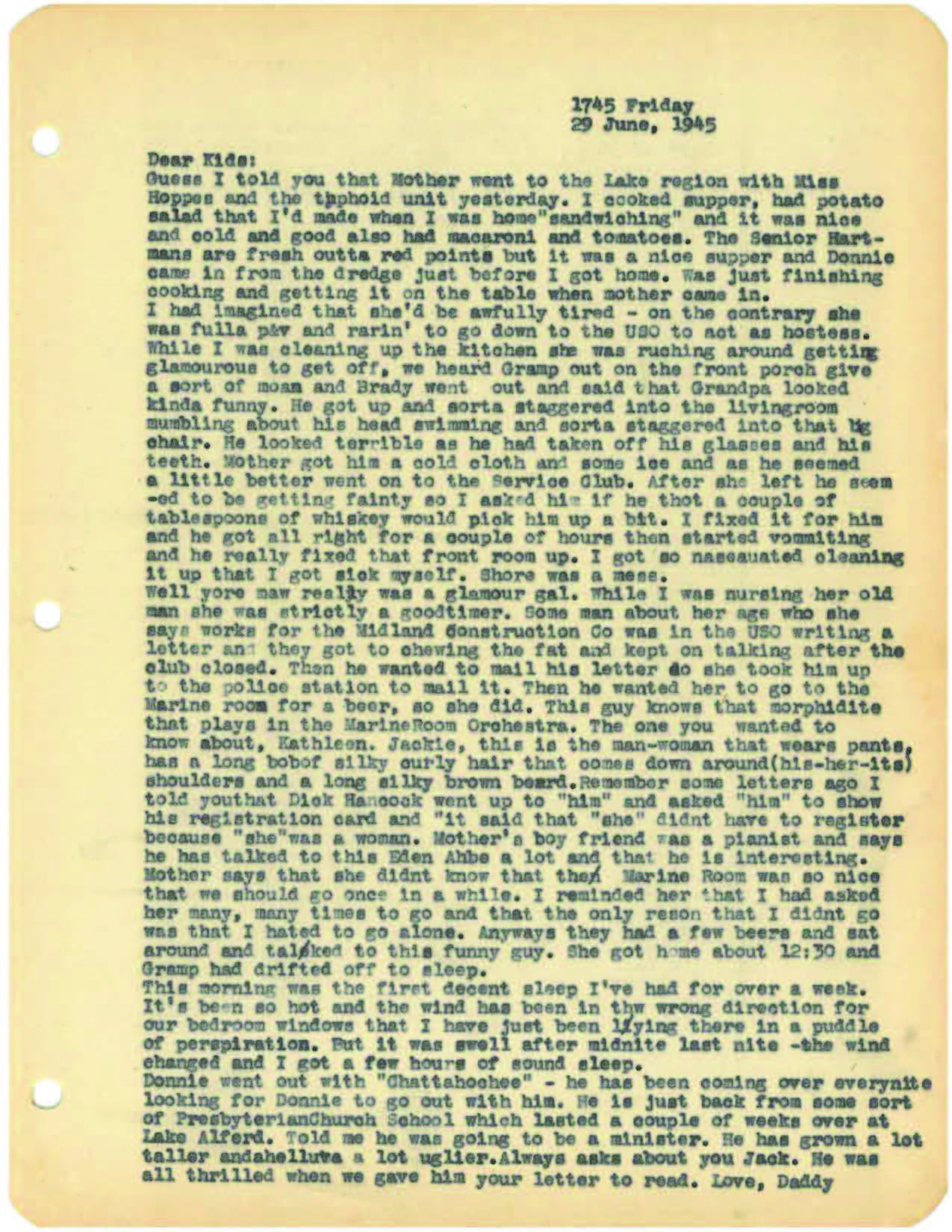
Figure 4 Hartman Letter
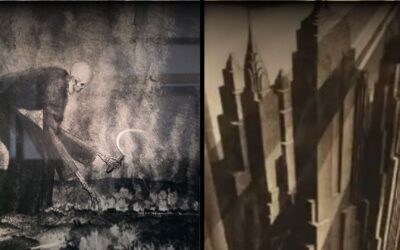
In them, Hartman records eden as a person known within the town. One letter recalls that his wife, Mary, had dinner with him and a few others in town at the Marine Room and describes an incident of someone asking to see his draft card as identification. A detail that we can confirm independently with the surviving record showing he did register, even as a pacifist. Fig1, Fig 5
Hartman writes from the perspective of a wartime community, observing the people around him with a straightforward and forthright eye. Eden appears in those letters as a real and memorable presence, someone who moved through Stuart in a way that drew attention and curiosity.
And he would have been hard to miss. In a town shaped by uniforms and military haircuts, his long hair, beard, and robe-like clothing set him apart immediately. Accounts from elsewhere note that people sometimes mistook him for a woman at a distance, a reflection of how unusual his appearance was at the time. A pacifist in the middle of a military training corridor, he stood in quiet contrast to nearly everything around him. Fig 6
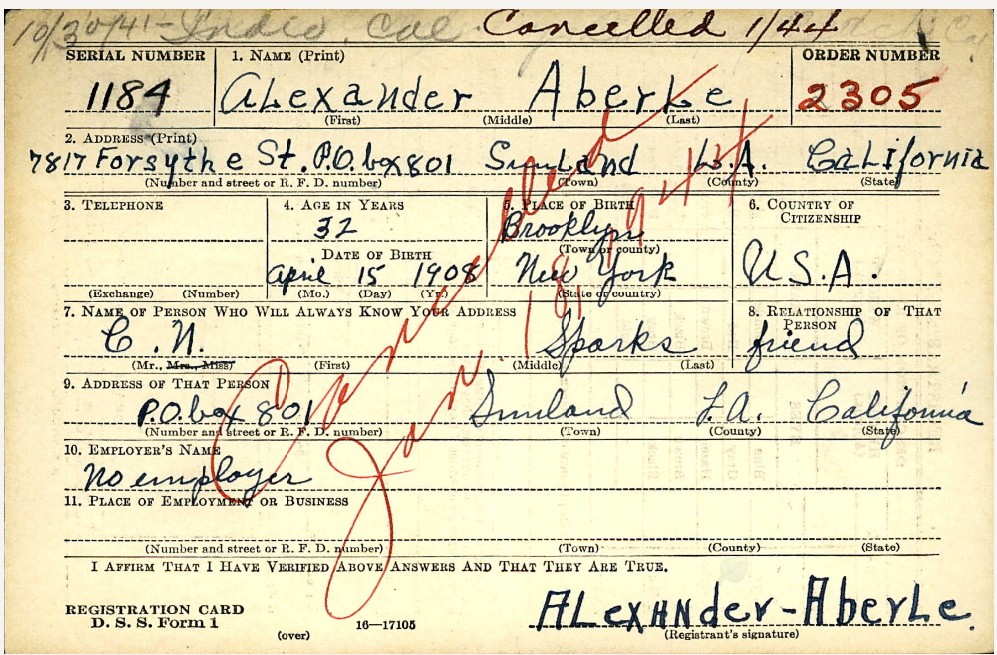
Figure 1 Draft Registration Alexander Aberle-eden abez
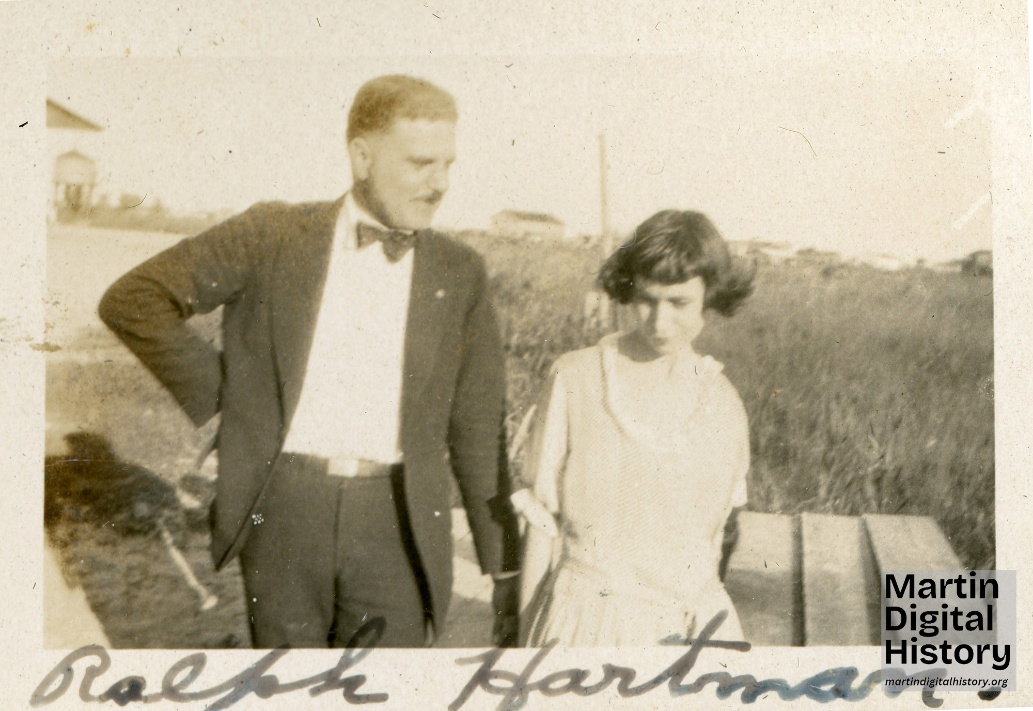
Figure 5 Ralph and Mary Hartman, ca 1923
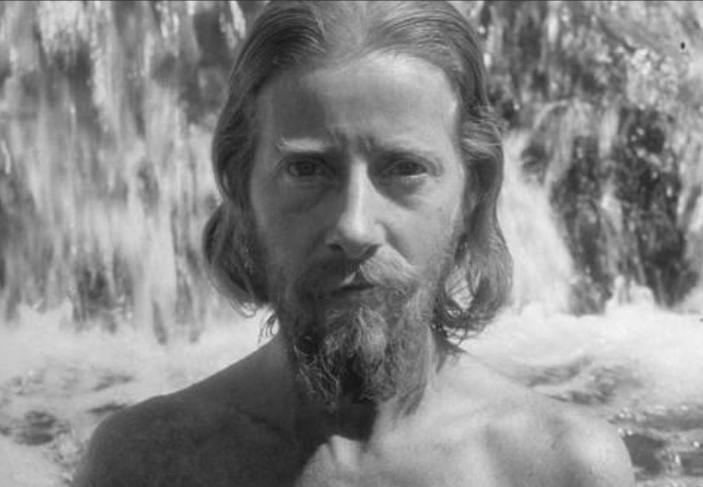
Figure 6 eden abez, ca 1945
This research did not come together at once. It began with an inquiry from a researcher looking into eden ahbez and his possible connection to this area. After exhausting the HSMC digital archives, the question was shared with Georgen at the Martin Digital History project. By coincidence, she was in the process of scanning our collection of the Ralph Hartman Sr. letters at the very moment that inquiry arrived. It is impossible to resist reading these letters as they pass through your hands, and in that moment, the reference to eden surfaced.
From there, the conversation widened. Gloria Fike at the Stuart Heritage Museum was brought into the conversation, and she offered something just as valuable as the written record. She remembered him from her childhood. That recollection, the lived experience, adds a final layer to the picture. Once again, Stuart and our island became home, albeit briefly, to an artist.
Before he became known more widely, ahbez moved through the country by choice and circumstance, washing dishes, picking fruit, and playing piano where he could. Documented accounts place him in Miami during the early 1940s. Movement north along the same agricultural corridor into the Indian River region fits naturally within that pattern.
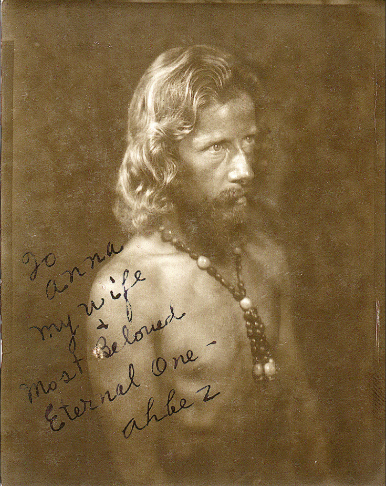
Figure 8 eden poses
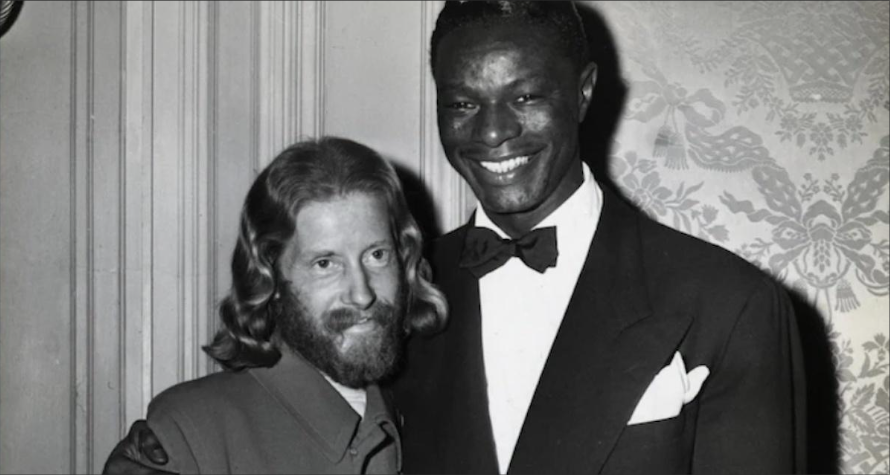
Figure 7 eden and Nat King Cole, ca 1948
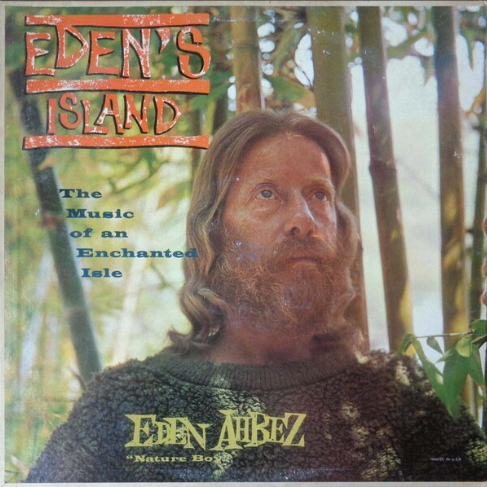
Figure 9 Album Cover for Eden’s Island
South Florida was a place where the conditions of his life came into focus. The work, the movement, and the landscape all align with what we know of him during this period. Long before he adopted the name eden ahbez, the word “Eden” was already embedded here, in the settlement along the Indian River, in Eden Grove, and in Eden Lawn, once regarded as the oldest house in Martin County before it was lost to fire in 1986. These were places lived and worked, named and remembered, forming a landscape that mirrors the life he was already living. The name was already here, waiting. Fig8
By the time he reached California, he had begun shaping the identity that would become eden ahbez, composer, intentionally outside convention and rooted in nature, simplicity, and spiritual openness. That philosophy would find its way into his music, most famously in the haunting melody of “Nature Boy.” It is a song that feels as though it carries a memory within it. First recorded by Nat King Cole in 1947, the song took on a life of its own. Of its many interpretations, David Bowie’s version remains a personal favorite, capturing both its intimacy and its sense of quiet distance. Fig7
His later album, Eden’s Island, leans fully into that atmosphere. Listening to it now, I hear a landscape that feels unmistakably familiar, coastal, quiet, and set apart from the pace of the modern world, even if a bit pretentious in its meditative style at parts. I believe Hutchinson Island is one part of that story. Whether or not it can be proven directly, the alignment between place and sound is difficult to ignore. The music of Eden’s Island mirrors the living environment of our island in all its glory. Fig9
The Hartman letters placed eden in wartime Stuart as a presence remembered moving through the Victory Hotel and its orbit and Gloria confirmed it. A free-spirited and eccentric musician working in the South Florida agricultural corridor, moving along informal rail networks, and playing the piano at the Marine Room; the context clues create a convergence that holds together.
He would have been easy to recognize. In a town defined by uniforms and wartime routine, his long hair, robe-like clothing, and quiet refusal to conform marked him as something different. People noticed him. They spoke with him. They remembered him.
That is where the record leaves us, in a specific place, among specific people, at a moment when Stuart itself was in motion. The rest of his story would unfold elsewhere.
But for a brief time, the nature boy was here. – Jes Robinson March 24, 2026