From Greenwich Village to the Café Martier: A Stove’s Story
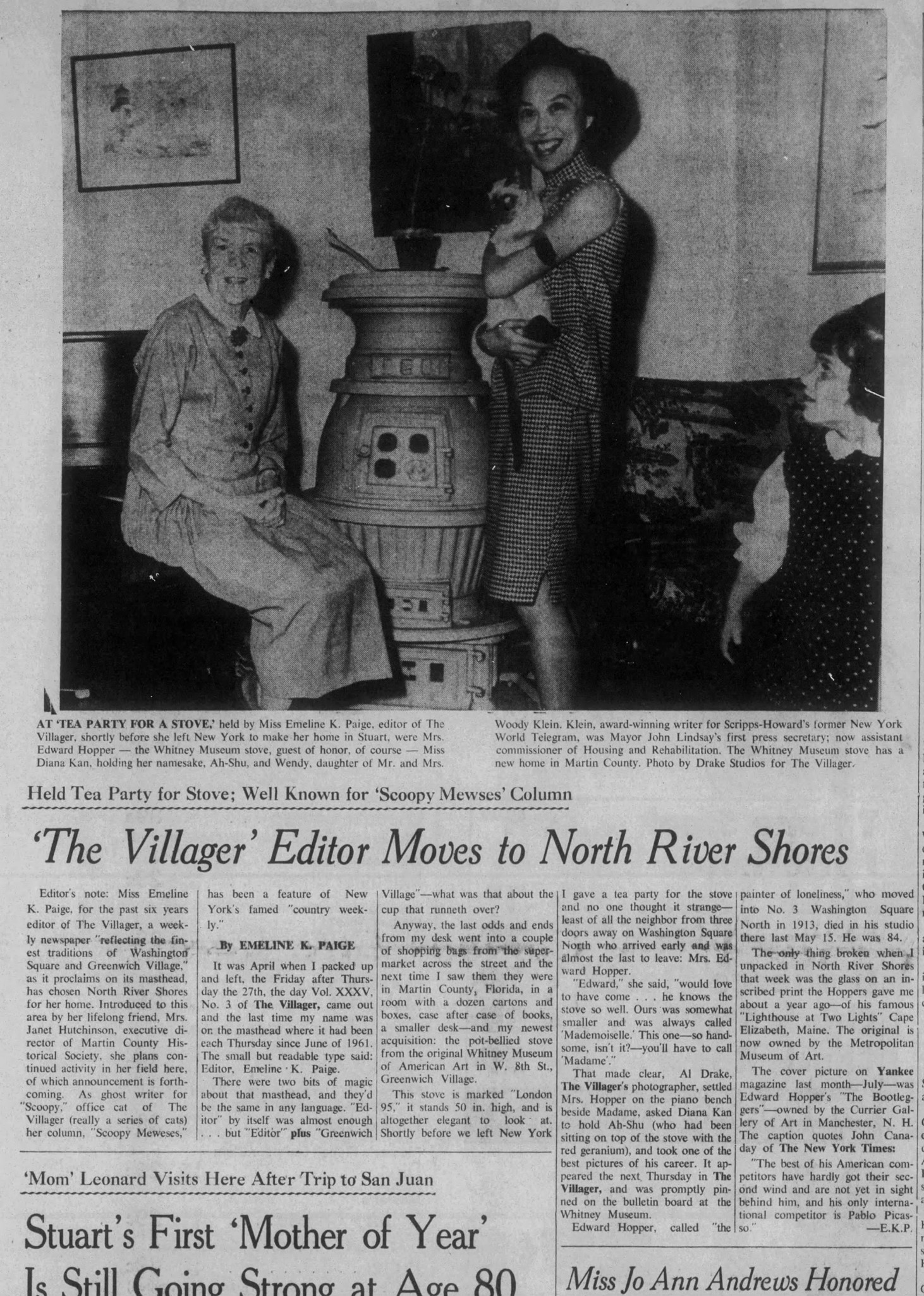
Figure 1 Jo Hopper and artist Diana Kan Pose with the old Stove, A Lighthouse at Two Lights in the Background
One afternoon in 1967 a small group gathered in Greenwich Village for a tea party. The guest of honor was not a person but an old cast-iron pig belly stove. For years it had stood in the Whitney Museum building on West Eighth Street and later in the offices of The Villager newspaper, quietly warming the artists, editors, and writers who passed through that world. Now the stove was about to travel south with Emeline Paige as she left New York for Stuart, Florida. Among those attending the farewell was Jo Hopper, widow of the painter Edward Hopper. What looked like a simple send-off marked the beginning of a journey that would eventually connect Greenwich Village, the Maine coast, and the Indian River. (Fig 1)
People often say the Elliott Museum feels unusual. The galleries contain automobiles, maritime artifacts, fine art, local history, and objects that seem to come from entirely different worlds. What makes it work is simple. The museum tells stories through objects. When you follow those objects carefully, they begin to reveal the people and places that shaped them.
This story begins in Greenwich Village.
The Village
For decades the newspaper The Villager documented the daily life of Washington Square and the surrounding neighborhood. It covered theater openings, preservation battles, exhibitions, and the colorful personalities that defined the Village. One of the people at the center of that world was Emeline K. Paige, a columnist and editor whose work placed her in daily contact with the artists and writers who lived there.
Just a few doors away from the offices of The Villager lived Edward Hopper.
Hopper became one of the most important painters in American art. His work captured the quiet drama of ordinary places. Diners, storefronts, theaters, gas stations, and coastal buildings appear in his paintings with a clarity that makes them feel both familiar and enduring. Few artists shaped the visual language of twentieth-century America as strongly as he did.
Maine
Like many people from Greenwich Village, Hopper spent his summers along the Maine coast. Those coastal communities were seasonal gathering places for artists, writers, and cultural figures who returned year after year. Emeline moved in that same orbit.
During one of those summers she was out walking when she passed Hopper working on a painting of the Cape Elizabeth lighthouse. The painting would become The Lighthouse at Two Lights, completed in 1929 and now in the collection of the Metropolitan Museum of Art. (Fig 2)
She paused to watch him work and made a brief remark about the scene. Hopper remembered it. Later he inscribed a print of the finished painting to her. When Emeline moved to Stuart in 1967 she brought that print with her. The local paper even noted that the glass cracked during the trip south.
That same year marked the end of Hopper’s life. He died on May 15, 1967 in his studio at Washington Square North. Only a short time later Emeline prepared to leave New York herself.
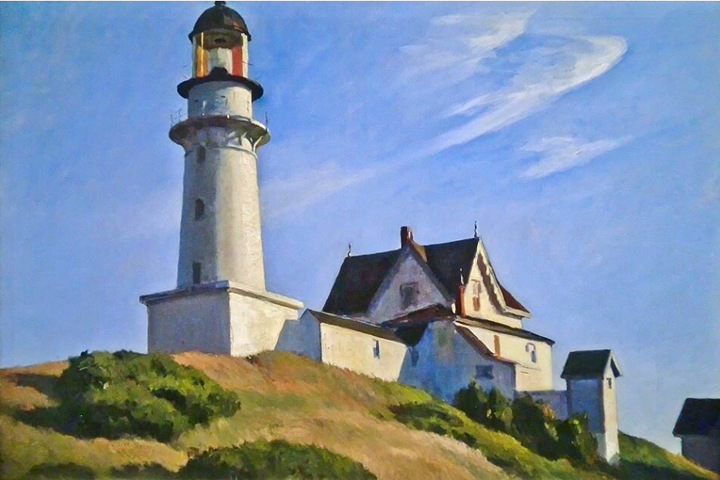
Figure 2 The Lighthouse at Two Lights by Edward Hopper, Courtesy the Metropolitan Museum of Art
The Stove
Back in Greenwich Village another object tied together many of the same people. The Whitney Museum of American Art originally occupied a modest building on West Eighth Street. Inside that building stood a cast-iron stove that warmed the galleries during the years when American modernism was still finding its footing.
When the Whitney moved to a new location, the stove remained behind and eventually found a home in the offices of The Villager. Over time it became a familiar presence in the circle of artists and editors who gathered there. (Fig 3,4)
When Emeline prepared to move to Florida in 1967, friends decided the stove should travel with her. Before it left New York they gathered for a small tea party in its honor. Jo Hopper attended, linking the moment directly to the artistic community that had surrounded the stove for decades.
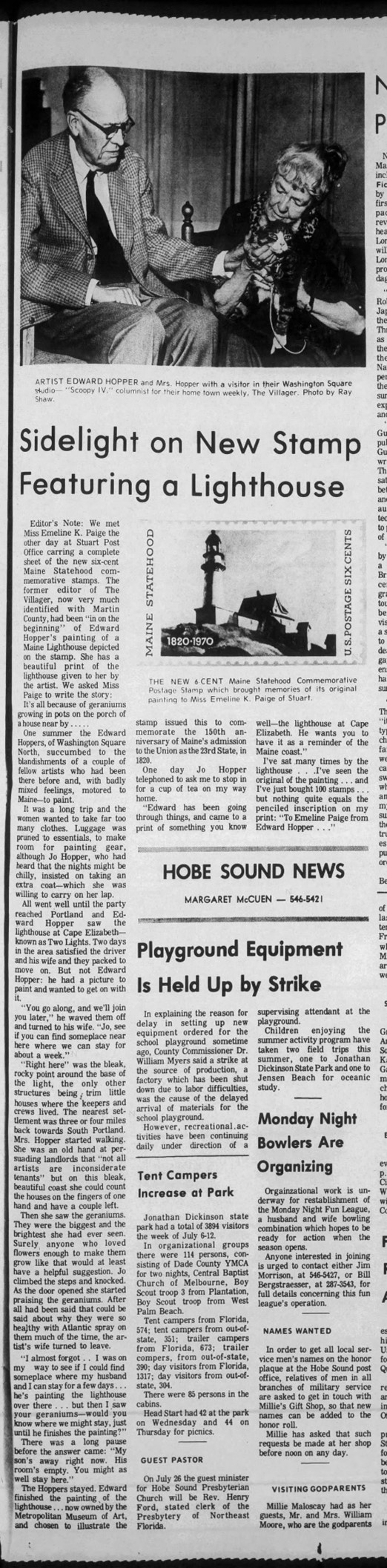
Figure 3 Figure 4 Stuart News Article on Emeline and Hopper’s friendship
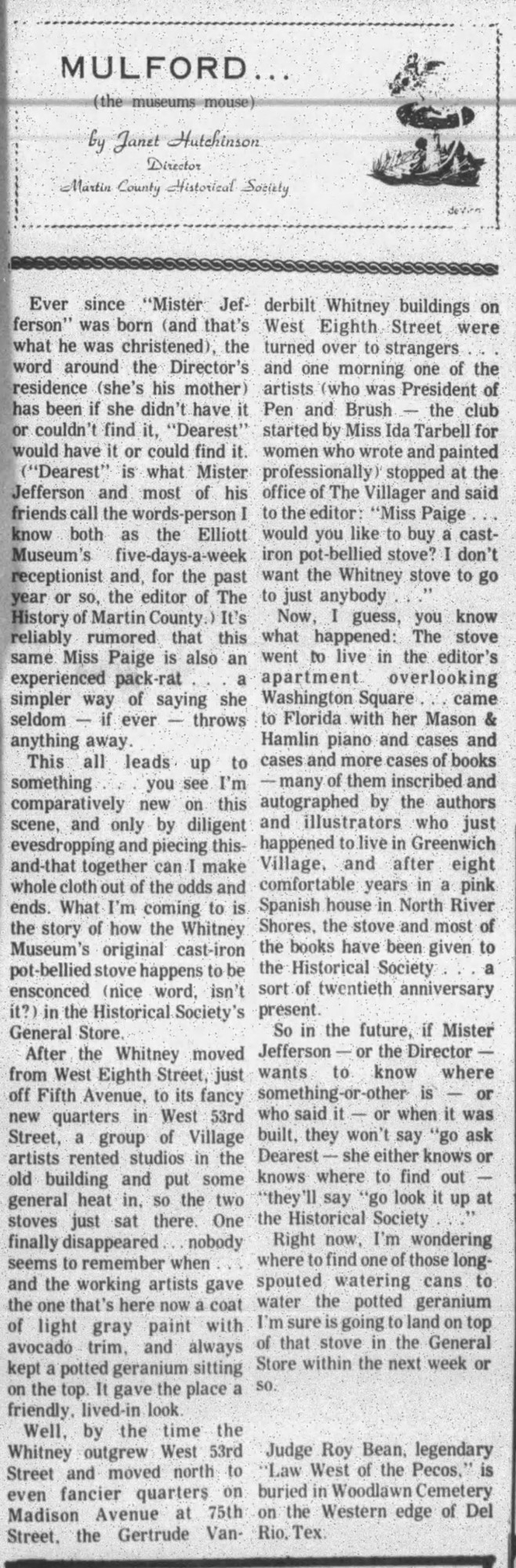
Figure 4 Janet writing as Mulford the Mouse in the Stuart News
Frank Hanley
One of the artists who knew Emeline well was the cartoonist Frank Hanley. Hanley drew covers for the humor magazine Judge and contributed illustrations to a number of New York publications. In 1933 he created a playful pictorial map of Greenwich Village that captured the clubs, cafés, studios, and meeting places that defined the neighborhood. (Fig 7)
The map shows the Whitney Museum, Washington Square, and the surrounding streets filled with the characters and institutions of Village life. It serves as a visual guide to the cultural geography that Emeline moved through every day.
Before she left New York, Hanley painted a watercolor of the Whitney stove. The tall narrow composition shows the stove rising through a lively interior. A teapot warms on top, a potted flower sits nearby, and the newspaper office cat Scoopy rests below. Hanley inscribed the painting to Emeline on April 20, 1967, wishing her good luck. (Fig 5)
The Elliott Museum preserves that watercolor today. It also holds a remarkable book of correspondence from Hanley to Emeline. The letters are filled with hand-drawn notes and small sketches, and even the stationery carries a playful illustrated letterhead drawn by Hanley himself. (Fig 6)
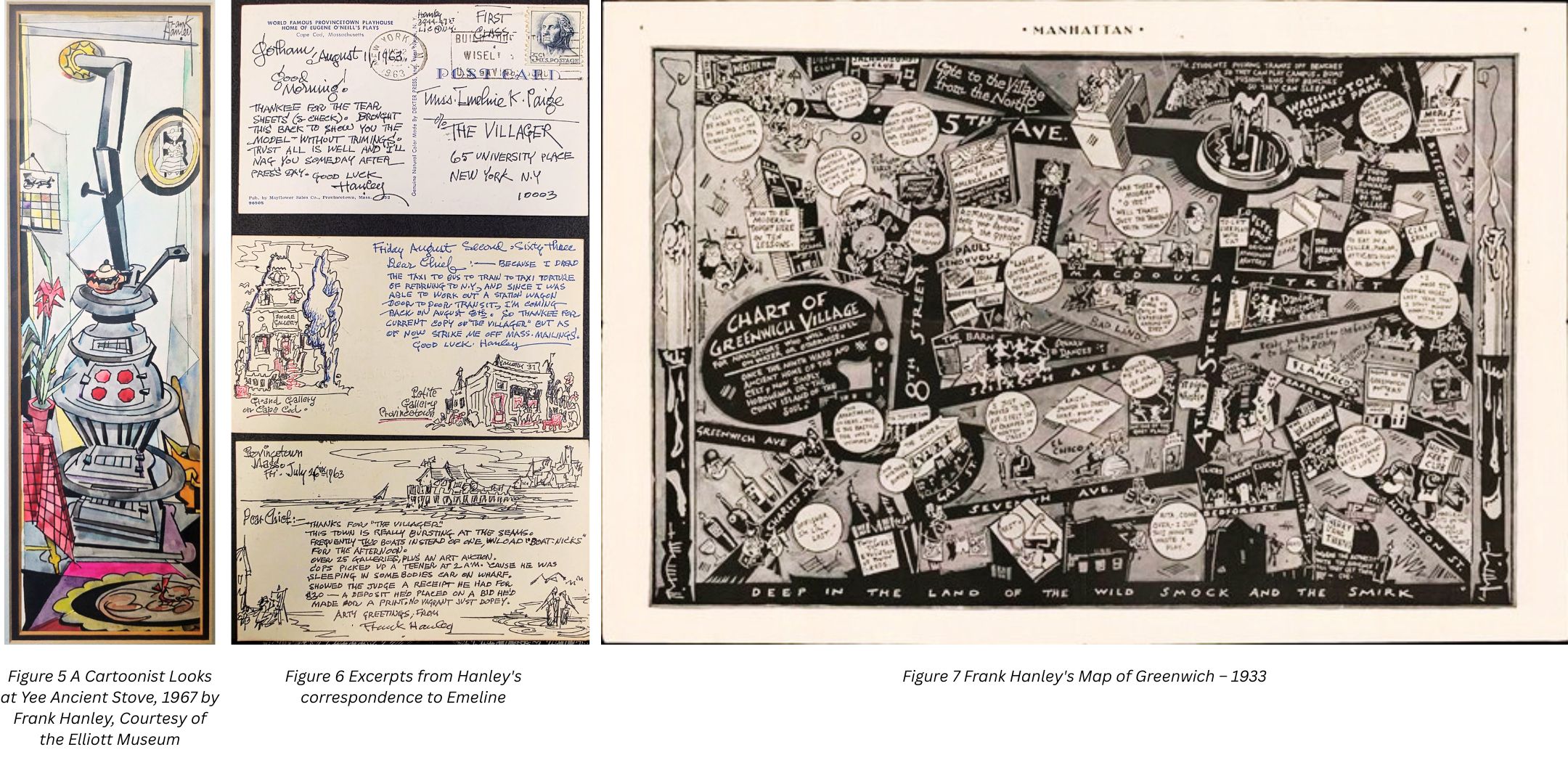
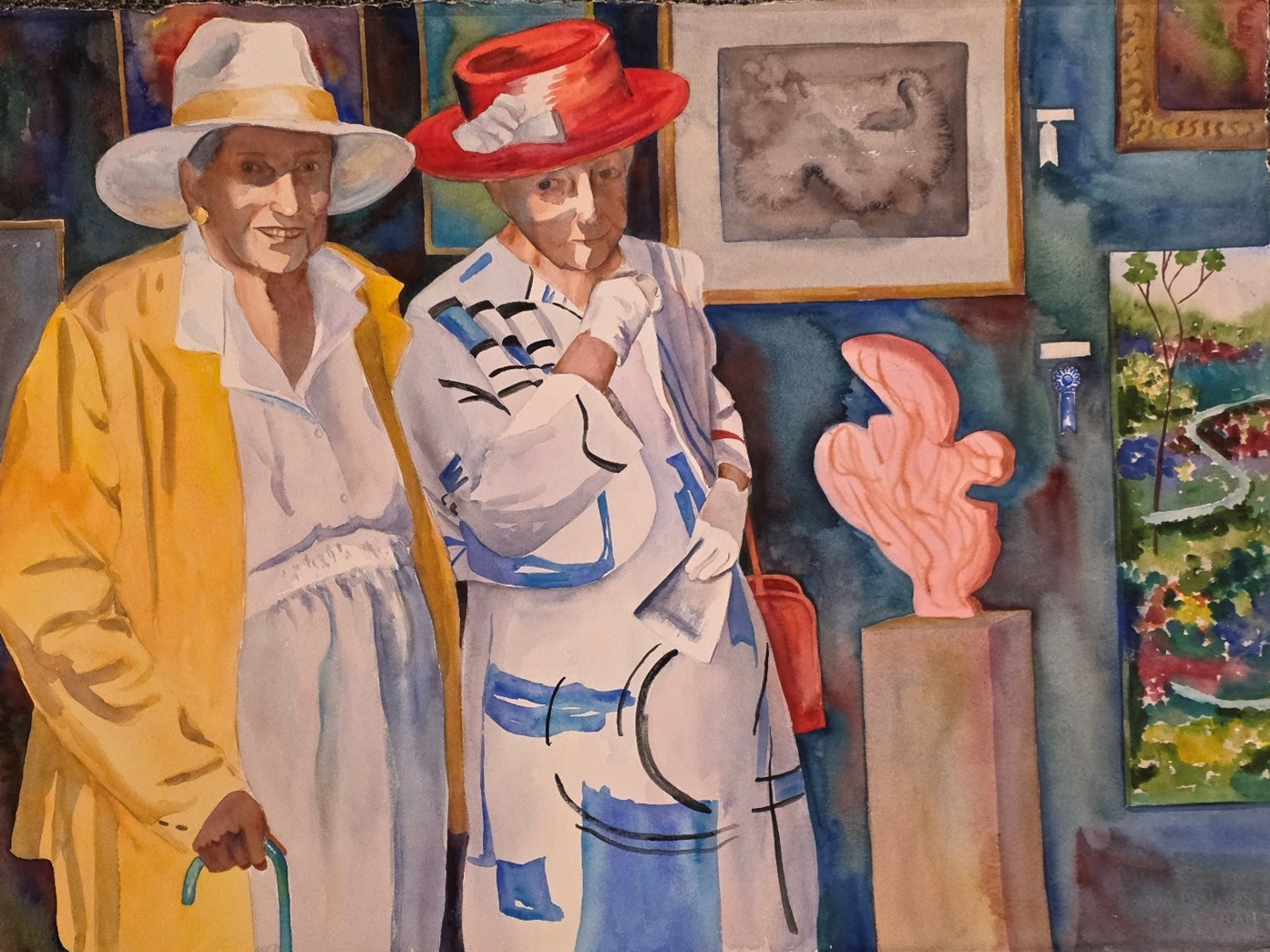
Figure 8 Janet Hutchinson (Left), Emeline K. Paige (Right) Titled Gallery Opening, by Margaret Gray Dontated to the Elliott Courtesy Martin Arts.
Janet and Emeline
The final piece of the story belongs to Janet Hutchinson. (Fig 8)
Janet first met Emeline when she was ten years old. Janet’s parents had moved to New York from Washington, D.C., and they sent their daughter to Emeline for piano lessons in Greenwich Village. Emeline was thirteen years older. The lessons did not last long, but the friendship did.
Over the years the two women built a life of work and adventure together. In the 1930s they formed a public relations firm and worked on theater promotions and cultural events in New York. Later their work carried them north to Maine, where they operated an art gallery and hosted artists and writers who summered along the coast.
For a time they also served as caretakers of the Merchant’s House Museum in New York, living inside the historic building while helping preserve one of the city’s oldest surviving homes.
By the mid-1960s their paths led them to Florida.
In 1965 Janet moved to Stuart to direct the Elliott Museum, an institution created through the vision and generosity of Harmon Elliott. Two years later Emeline followed.
With her came pieces of the world she had left behind: the Hopper print, the Hanley watercolor, the correspondence filled with sketches, and the old Whitney stove that had warmed conversations in Greenwich Village.
Stuart
Today the stove sits on permanent loan at Café Martier in downtown Stuart. The restaurant occupies what was once the town’s original postmaster’s office, a building whose early twentieth-century architecture makes a natural home for the stove. Both belong to the same era, when cast-iron heaters warmed small offices and gathering places and conversation filled the room.
In Greenwich Village the stove warmed artists and editors.
In Stuart it now anchors a different kind of gathering place, linking the creative world of Washington Square with the cultural life that Janet and Emeline helped shape along the Indian River.
Iron holds heat for a long time. In a way it holds friendships too. Through a handful of objects, a small corner of Greenwich Village found its way to Martin County.
One of the quiet strengths of the Elliott Museum is it’s capacity for storytelling.